

Currently Empty: ₹0.00




Learning
Building Strong Foundations: A Parent’s Guide to Primary Education
What Primary Education Really Focuses On — And How Parents Can Help Their Children Grow Better Overall
Understanding the True Purpose of Primary Education
Primary education is the foundation of every child’s learning journey. It’s not just about reading, writing, and arithmetic — it’s about building curiosity, social skills, emotional intelligence, and creativity.
During these formative years (ages 5–11), children develop key habits that shape how they learn, think, and behave throughout life. The focus is not only on academic knowledge but also on holistic development — nurturing the mind, body, and heart.
What Primary Education Actually Focuses On
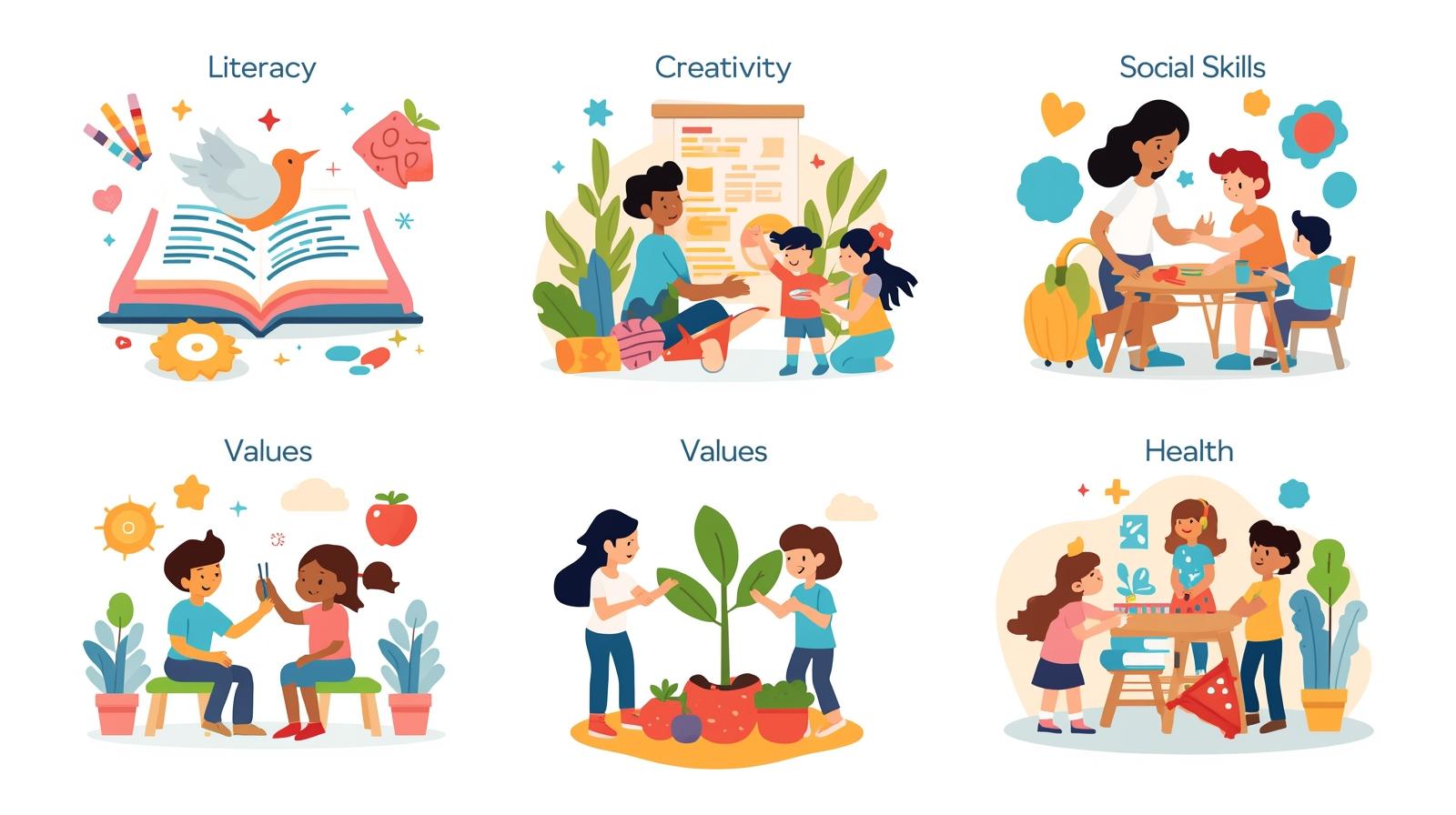
Basic Literacy and Numeracy Skills
Children learn to read, write, and understand numbers. These are the core tools for future learning. The aim is to help them comprehend information, express ideas clearly, and solve basic problems independently.Building Curiosity and Creativity
Primary school is where children start asking “why” and “how.” They explore new concepts through storytelling, experiments, and art. This stage helps them learn how to learn — a skill that stays for life.Developing Social and Emotional Skills
Kids learn teamwork, empathy, patience, and communication. Group activities and play help them understand cooperation and respect for others.Instilling Moral Values and Discipline
Teachers emphasize honesty, kindness, responsibility, and respect. The goal is to shape responsible and self-aware individuals.Physical and Mental Well-being
Through sports, games, and mindfulness, children improve concentration, stamina, and emotional balance. Schools today are increasingly focusing on mental health and confidence-building from early years.
What Parents Should Do During the Primary School Years
Parents play an equally important role in shaping their child’s overall development. Here’s how you can help:
Encourage Reading Every Day
Make reading a daily habit — even 15 minutes a day makes a big difference. Choose age-appropriate storybooks and let your child pick topics they love.Talk and Listen Actively
Ask your child about their day and listen with attention. This builds their confidence, communication skills, and vocabulary naturally.Play Educational Games
Use puzzles, building blocks, or math games. They develop problem-solving and logical thinking while keeping learning fun.Create a Learning Environment at Home
Set up a small, distraction-free study space. Keep it filled with books, charts, and positive affirmations to build focus.Teach Life Skills Early
Simple tasks like organizing toys, helping in the kitchen, or managing small chores build independence and responsibility.Balance Studies with Playtime
Overloading children with academic pressure can backfire. Ensure enough outdoor play — it enhances creativity, teamwork, and physical health.Appreciate Effort, Not Just Results
Praise your child for trying, not just for getting it right. This nurtures a growth mindset and helps them embrace challenges.

 Techniques to Boost Overall Development
Here are a few tried-and-tested techniques parents can use:
The 20-Minute Rule: Spend 20 minutes daily on reading or creative writing.
“Ask 3 Whys” Technique: Encourage curiosity — every time your child asks a question, respond with another “why” to deepen their thinking.
“Teach Back” Method: Ask your child to teach you what they learned today. Teaching improves retention.
Mindfulness for Kids: 5 minutes of breathing exercises before study time improves focus and calmness.
The Gratitude Jar: Let them write one good thing about their day daily. It builds positivity and emotional strength.
 Conclusion: The Foundation of a Lifelong Learner
Primary education isn’t about grades — it’s about growth. The habits and skills developed in these years form the base for academic success, emotional well-being, and social confidence later in life.
When parents and teachers work together — blending academics with creativity, discipline with play, and effort with encouragement — children truly thrive.
So, invest time, not just tuition — because what your child learns in these years lasts a lifetime.